Smart Pet Door Security Features: An Advanced Guide
-
sharoz rabbani
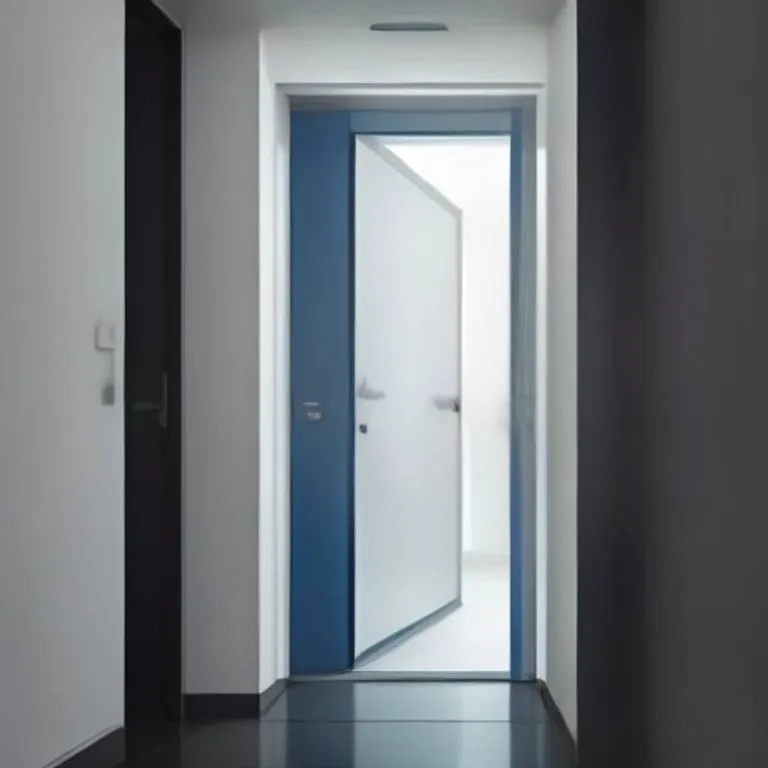
Ensuring the safety of our beloved pets and the security of our homes is a top priority for any pet owner. While traditional pet doors offer convenience, they often introduce significant vulnerabilities. This is where advanced smart pet door security features come into play, transforming a simple pet access point into a fortified, intelligent gateway. Moving beyond basic flaps and manual locks, modern smart pet doors integrate cutting-edge technology to provide unparalleled control, monitoring, and peace of mind, addressing concerns ranging from unwanted wildlife entry to potential home invasions.
Understanding the Vulnerabilities of Traditional Pet Doors
Traditional pet doors, while convenient, inherently create security weak points in a home’s perimeter. These simple openings, often just a flap of plastic or rubber, can be easily manipulated by unwanted animals or even humans. The lack of robust locking mechanisms or intelligent access control means that anything capable of pushing through or reaching the latch can gain entry, compromising both your home’s security and your pet’s safety.
Common Entry Points for Unwanted Guests
The primary vulnerability of a basic pet door lies in its design: it’s an unsecured opening. Raccoons, opossums, and even stray cats can easily push through a standard flap, seeking food or shelter. More concerning, however, is the potential for human intruders. A large enough pet door can be used by a small child or even an adult to crawl through, or it can provide easy access for an intruder to reach inside and unlock a nearby door or window. This makes understanding and implementing enhanced smart pet door security features crucial for any homeowner.
Limitations of Basic Locking Mechanisms
Most traditional pet doors come with rudimentary locking plates or slide panels. While these offer a minimal deterrent, they are often flimsy and can be easily bypassed. A determined intruder, whether animal or human, can often force these locks open with minimal effort. Furthermore, these manual locks require constant attention from the homeowner, negating the convenience factor if you forget to engage them. The absence of automated, tamper-proof locking mechanisms leaves a significant gap in home defense that only advanced smart pet door solutions can effectively fill.
Key Smart Pet Door Security Features to Look For
When upgrading to a smart pet door, the array of available security features can be overwhelming. However, focusing on core functionalities that address common vulnerabilities is key. These advanced capabilities go far beyond simple locking, offering sophisticated control and monitoring to ensure only your pet gains access.
Biometric and Microchip Access Control
One of the most significant advancements in smart pet door security features is personalized access control. Many smart pet doors utilize your pet’s existing microchip or a specialized RFID collar tag to grant entry. This ensures that only your registered pets can use the door, effectively preventing stray animals or wildlife from entering your home. Some high-end models even incorporate biometric scanners, such as paw print recognition, offering an even more secure and pet-specific authentication method.
Advanced Locking Systems and Reinforcement
Beyond simple flaps, smart pet doors integrate robust locking mechanisms. These can include multi-point locking systems, deadbolt-style latches, or even motorized doors that securely seal when not in use. Many are constructed with reinforced frames and impact-resistant materials, making them far more difficult to force open. Some systems also feature automatic locking schedules, allowing you to program when the door is active, adding another layer of security during specific hours.
Integrated Monitoring and Alert Systems
Modern smart pet doors often come with integrated sensors and cameras. These allow you to monitor your pet’s comings and goings in real-time via a smartphone app. Motion sensors can detect activity around the door, triggering alerts if an unauthorized presence is detected. Two-way audio allows you to communicate with your pet, and night vision ensures clear visibility even in low light. These monitoring capabilities provide invaluable peace of mind, allowing you to keep an eye on your home and pet from anywhere.
Implementing Enhanced Smart Pet Door Security
Integrating a smart pet door into your home involves more than just installation; it requires a strategic approach to maximize its security benefits. By following a structured plan, you can ensure your smart pet door operates at its full potential, providing both convenience and robust protection.
- Assess Your Home’s Vulnerabilities: Before installation, identify potential weak points. Consider where the smart pet door will be placed and how it might interact with existing home security systems. Ensure the installation area is well-lit and visible, or consider adding supplementary lighting.
- Choose the Right Access Control: Select a smart pet door that uses an access control method compatible with your pet (e.g., microchip, RFID tag). Properly register all authorized pets and ensure their tags or chips are consistently read by the system. Regularly check battery levels on collar tags if applicable.
- Configure Locking Schedules and Alerts: Utilize the smart door’s app to set up automatic locking schedules, especially during nighttime hours or when you’re away. Customize alert notifications for unusual activity, unauthorized access attempts, or if your pet hasn’t returned by a certain time.
- Integrate with Smart Home Systems: If possible, connect your smart pet door to your broader smart home ecosystem. This can allow for synchronized locking with your main door locks, integration with security cameras for enhanced monitoring, or even automated lighting when your pet uses the door.
- Regularly Test and Maintain: Periodically test the door’s locking mechanisms, sensors, and access control. Clean the door and sensors to prevent debris from interfering with operation. Update firmware as recommended by the manufacturer to ensure you have the latest security patches and features.
Hardware and Engineering: Investing in Robust Pet Door Solutions
The true value of a smart pet door lies not just in its software features, but in the quality of its physical construction. Investing in well-engineered hardware is paramount to ensuring long-term security and reliability, differentiating a true security enhancement from a mere gadget.
The Hidden Costs of Compromised Security
Opting for cheaper, less robust smart pet doors can lead to significant hidden costs. Flimsy construction can result in premature wear and tear, requiring frequent repairs or replacements. More critically, inadequate materials or poor design can compromise the very security you sought to enhance. A door that can be easily forced open or malfunctions frequently leaves your home vulnerable to intruders, both animal and human, potentially leading to property damage, theft, or even harm to your pet. The initial savings on a low-quality unit can quickly be overshadowed by these greater risks and expenses.
Premium Materials and Construction for Durability
High-quality smart pet doors are built to withstand the elements, repeated use, and potential tampering. Look for models constructed from durable, weather-resistant materials such as reinforced aluminum frames, impact-resistant polycarbonate flaps, and robust, sealed electronics. These materials not only ensure longevity but also contribute significantly to the door’s overall security. Features like magnetic seals for improved insulation, heavy-duty hinges, and tamper-proof mounting hardware are indicators of superior engineering designed to provide reliable, long-term performance and peace of mind.
Critical Selection Criteria for a Secure Smart Pet Door
Choosing the right smart pet door requires careful consideration of several key factors that directly impact its effectiveness as a security device. Prioritizing these criteria will help you select a system that truly enhances your home’s protection while providing seamless access for your pet.
- Access Control Reliability: Evaluate the consistency and accuracy of the access control method (microchip, RFID, biometric). Ensure it reliably identifies your pet and prevents unauthorized entry without false positives or negatives.
- Physical Durability and Tamper Resistance: Examine the construction materials and design. Look for reinforced frames, strong locking mechanisms, and materials that can withstand physical force, weather, and prolonged use. The door should be difficult to pry open or dismantle.
- Integration with Home Security: Consider how the smart pet door integrates with your existing smart home or security system. Compatibility with security cameras, alarm systems, or smart locks can create a more cohesive and robust defense perimeter.
- Monitoring and Alert Capabilities: Prioritize doors with real-time monitoring, motion detection, and customizable alerts. The ability to receive instant notifications about activity around the door is crucial for proactive security management.
- Power Backup and Fail-Safes: Ensure the smart pet door has a reliable power backup system (e.g., battery backup) in case of a power outage. Understand its fail-safe mode—does it lock securely or remain open if power is lost?
Lifecycle, ROI & Convenience Analysis of Advanced Pet Doors
Investing in a smart pet door with advanced security features offers significant long-term value that extends beyond immediate convenience. When evaluating the return on investment (ROI), it’s essential to consider the entire lifecycle of the product, encompassing durability, time savings, and the invaluable peace of mind it provides.
While the initial cost of a high-quality smart pet door might be higher than a traditional one, the benefits quickly outweigh the expense. Over a 2-to-5-year period, a robust smart pet door minimizes maintenance and replacement costs associated with cheaper, less durable alternatives. The enhanced security features, such as microchip access and remote monitoring, prevent costly incidents like unwanted animal intrusions or potential security breaches, which could lead to property damage or theft. Furthermore, the convenience of automated access and real-time alerts saves pet owners significant time and worry, eliminating the need for constant manual checks or rushing home to let pets out. This blend of security, durability, and convenience translates into a substantial return on investment, not just financially, but in terms of reduced stress and improved quality of life for both pets and their owners.
Frequently Asked Questions
What are the primary smart pet door security features?
The primary smart pet door security features include microchip or RFID access control, robust multi-point locking mechanisms, integrated motion sensors, and remote monitoring via smartphone apps. These features work together to ensure only authorized pets can enter and exit, while providing real-time alerts and control to the owner.
Can smart pet doors prevent unwanted animals from entering?
Yes, smart pet doors are specifically designed to prevent unwanted animals from entering your home. By using microchip or RFID technology, they only unlock for your pet’s unique identifier, effectively blocking stray animals, wildlife, and even neighborhood pets from gaining access.
How do smart pet doors enhance overall home security?
Smart pet doors enhance overall home security by eliminating the vulnerabilities of traditional pet doors. Their reinforced construction, advanced locking systems, and integration with home security systems make them difficult to tamper with, while monitoring features provide alerts for any suspicious activity around the entry point.
Final Verdict: Prioritizing Pet Safety and Home Security
The evolution of pet doors from simple flaps to sophisticated smart devices marks a significant leap in both convenience and security. While traditional options present inherent risks, embracing advanced smart pet door security features offers a comprehensive solution to protect your home and ensure your pet’s safety. By carefully selecting a model with robust access control, durable construction, and integrated monitoring, pet owners can achieve unparalleled peace of mind.
Ultimately, the decision to upgrade to a smart pet door is an investment in your home’s integrity and your pet’s well-being. Prioritize features that align with your specific security needs and lifestyle, and don’t compromise on quality. Taking the time to research and implement these advanced solutions will provide a secure, convenient, and worry-free environment for years to come.
Categories
Recent Post
Smart Pet Device Safety Checks: Essential Steps [Guide]
![Smart Pet App Notification Issues: Fixes [Resolved]](https://pawsitivepatch.com/wp-content/uploads/2026/08/img_smart-pet-app-notification-issues-fixes-resolved.webp)
Smart Pet App Notification Issues: Fixes [Resolved]
![Luxury Smart Pet Home Integration: A Modern Guide [2026 Guide]](https://pawsitivepatch.com/wp-content/uploads/2026/08/img_luxury-smart-pet-home-integration-a-modern-guide-2026-guide.webp)
Luxury Smart Pet Home Integration: A Modern Guide [2026 Guide]
![Crafting Custom Meal Plans Smart Pet Feeders [Guide]](https://pawsitivepatch.com/wp-content/uploads/2026/08/img_crafting-custom-meal-plans-smart-pet-feeders-guide.webp)
Crafting Custom Meal Plans Smart Pet Feeders [Guide]
Tags
- advanced-pet-tech, home-pet-safety, pet-door-features, secure-pet-access, smart-door-security
Social Share
Continue Reading
Related Posts
Smart Pet Device Safety Checks: Essential Steps [Guide]
Perform smart pet device safety checks to prevent mechanical failures, electrical hazards, and app glitches for your pets.
Smart Pet App Notification Issues: Fixes [Resolved]
Experiencing smart pet app notification issues? Learn common causes and practical steps to fix alerts, ensuring you never miss important updates about your pet.
Luxury Smart Pet Home Integration: A Modern Guide [2026 Guide]
Elevate your living space with luxury smart pet home integration. Discover how to seamlessly blend advanced tech with sophisticated design for your beloved companions.
Crafting Custom Meal Plans Smart Pet Feeders [Guide]
Craft custom meal plans smart pet feeders for optimal pet health. Personalize portions, automate schedules, and ensure precise smart pet nutrition.