Smart pet technology has reshaped modern pet care, providing automated feeding routines, real-time location tracking, interactive play options, and digital health monitoring. However, relying on electronic hardware introduces unique mechanical and electrical risks to your home environment. Conducting routine smart pet device safety checks is essential to ensure these automated systems protect your pets rather than expose them to unintended hazards. From unexpected power interruptions to mechanical dispensing jams, staying proactive prevents equipment failures before they compromise your pet’s wellbeing.
Every connected device operating in your home requires regular oversight and physical inspection. Mechanical components wear down over time, batteries degrade, and wireless connectivity can drop without warning. By establishing a structured safety audit routine, you can identify hidden electrical fraying, software glitches, and mechanical obstructions early. The following sections break down the mechanical vulnerabilities of smart pet devices, offer step-by-step inspection protocols, and highlight long-term maintenance standards to keep your household safe.
Understanding Hardware Vulnerability and Electronic Failure Risks
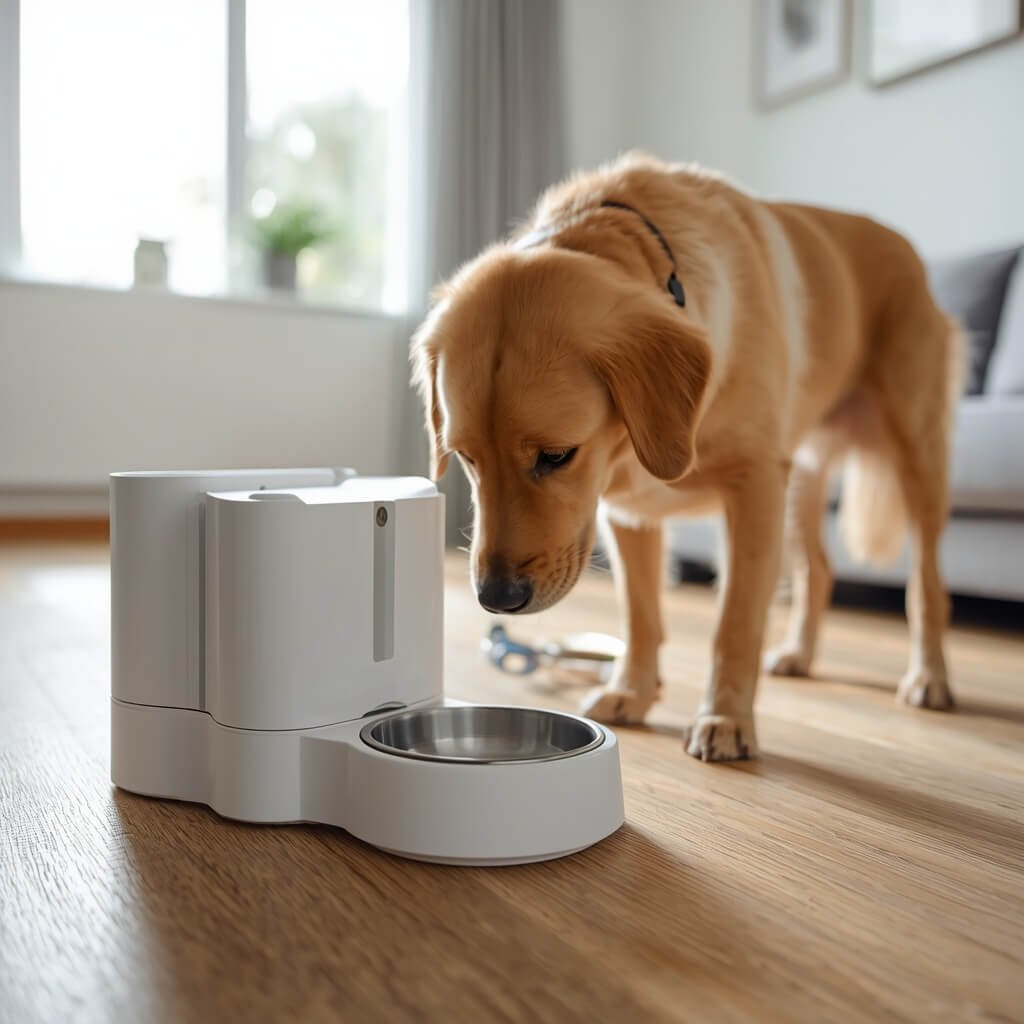
Smart pet devices operate in dynamic environments where physical wear and environmental exposure occur daily. Unlike standard household electronics positioned safely on shelves, pet tech sits on the floor, comes into contact with saliva, endures chewing, and encounters food particles. Over time, moisture from humidifiers, spilled water bowls, or pet saliva can penetrate unsealed seams, causing internal circuit corrosion. Understanding how hardware fails allows pet parents to identify subtle signs of wear before complete mechanical breakdown occurs.
Mechanical jamming is one of the most common failure points in automated feeders. Dry kibble varies in shape, density, and crumb structure, which can cause internal impellers to bind under pressure. When a motor stalls repeatedly against a jam, internal heat increases, accelerating gear wear and potentially burning out control boards. Similarly, smart water fountains utilize continuous-duty submersible pumps that collect hair, pet dander, and bio-film, leading to motor strain, overheating, and electrical short circuits if left uncleaned.
Electrical Hazards and Cable Integrity Issues
Low-voltage power cables supplying automated feeders, fountains, and cameras present significant bite risks, especially for teething puppies and curious cats. Even minor punctures in insulation expose delicate wiring to saliva, increasing short-circuit risks or low-voltage shocks. Furthermore, tension on power ports caused by pet movement can loosen internal terminal solder joints, creating intermittent power loss that resets smart scheduling without alerting the owner.
Wireless Disconnections and Sensor Calibration Errors
App-driven pet safety devices depend heavily on stable Wi-Fi connections and local sensor accuracy. Infrared food level sensors can become coated with kibble dust, falsely reporting full hoppers when bowls are empty. Microchip-enabled flap doors and smart collars can suffer from signal degradation due to metal interference or dying batteries. Recognizing that software updates and hardware sensors require routine recalibration is fundamental to maintaining smart pet device safety checks across all connected equipment.
Step-by-Step Practical Inspection Protocol
Performing consistent physical and operational audits ensures your automated equipment runs reliably. A systematic approach isolates potential mechanical, electrical, and firmware issues before they affect your pet’s daily routine. Follow this actionable four-step execution plan during your monthly routine checks.
- Complete Physical Cable and Housing Audit: Unplug the unit completely. Inspect the entire length of the power cable for teeth marks, fraying, or flattened sections. Ensure the cord is enclosed in a heavy-duty chew-proof sleeve. Check the main housing for cracks, loose battery compartment doors, or compromised water seals.
- Disassemble and Clean Mechanical Drive Components: Disassemble dispensing mechanisms, impellers, and fountain pumps. Wash non-electrical components in warm water using pet-safe detergent. Remove trapped hair from pump impellers and wipe dust off internal optical sensors using a dry micro-fiber cloth.
- Verify Power Backup and Schedule Functionality: Disconnect the primary wall power supply while the unit is running to test secondary battery backup performance. Confirm that internal memory retains feeding schedules and custom settings during simulated power outages. Replace backup alkaline batteries annually.
- Conduct Test Cycles and Sensor Calibration: Trigger manual meal dispensations via the physical button and app interface. Observe kibble movement to confirm smooth impeller rotation without motor strain. Check companion mobile apps for available firmware updates and clear sensor error logs.
Hardware Build Quality and Preventative Upgrades
The long-term safety of automated pet care relies heavily on initial product selection and build quality. Inexpensive consumer electronics often cut costs by utilizing low-grade plastics, brushed motors with short operational lifespans, and unshielded electrical wiring. Investing in equipment built with marine-grade or food-safe materials drastically reduces long-term maintenance hazards and contamination risks.
The Risks of Budget and Uncertified Alternatives
Low-cost automated devices frequently incorporate cheap ABS plastics that scratch easily. Deep microscopic scratches retain bacteria, oils, and fungi even after washing, contributing to feline chin acne and bacterial gastrointestinal distress. Furthermore, budget motors lack torque-limiting safety shutoffs, meaning jammed dispensing screws keep drawing current until internal thermal fuses blow or gears strip completely. Uncertified power adapters may also lack surge protection, leaving devices vulnerable to voltage spikes.
Engineering Standards for Premium Pet Hardware
When upgrading your setup, look for commercial-grade materials and certified safety features. High-standard appliances utilize food-grade 304 stainless steel or non-porous BPA-free polymers that resist scratching and tolerate sanitizing high-temperature washes. Advanced feeders feature jam-reversing dual-gear motors, sealed internal circuit boards, braided chew-resistant cables, and physical control panel locks that prevent pet tampering. Establishing these hardware standards minimizes emergency repairs and ensures long-term operational safety.
Essential Selection Criteria for Smart Pet Devices
Evaluating new connected equipment requires looking beyond app features to assess physical construction and safety mechanisms. Use these standard evaluation criteria when selecting new equipment for your home:
- Material Safety Certifications: Ensure food and water contact surfaces are constructed from food-grade 304 stainless steel, lead-free ceramics, or certified BPA-free polymers. Look for UL or CE electrical safety certifications on all power adapters.
- Fail-Safe Power and Storage Redundancy: Select devices equipped with dual power systems (AC wall power paired with internal battery backup) and local memory storage that preserves schedules during internet outages.
- Chew-Proof Protection and Mechanical Seals: Prioritize equipment featuring steel-braided power cords, internal cable routing channels, sealed battery compartments, and anti-tamper lid locks.
Lifecycle Cost and Reliability Analysis
While premium smart devices carry a higher initial purchase price, a lifecycle cost comparison demonstrates clear long-term savings compared to budget alternatives. Cheap automated feeders often fail within 6 to 12 months due to motor burnout, stripped plastic gears, or casing degradation from repeated cleaning. Replacing sub-par units multiple times over a three-to-five-year period easily exceeds the initial cost of a high-grade appliance.
Beyond hardware replacement costs, equipment failures introduce significant indirect risks, such as emergency veterinary visits caused by ingestion of plastic fragments, electrical shock, or acute dehydration from failed water fountain pumps. Premium devices built with stainless steel bowls, brushless motors, and durable chew-resistant power systems operate reliably for years with simple routine maintenance. Investing in build quality provides peace of mind, consistent scheduling, and superior safety for your pet.
Frequently Asked Questions
How often should I perform smart pet device safety checks on automatic feeders?
Perform a quick visual check weekly for cable wear and cleanliness, and conduct a thorough deep-clean and functional audit monthly. Disassemble mechanical drive parts, clean dust off sensors, and test the battery backup system to maintain optimal device safety.What should I do if my automatic feeder jams repeatedly during scheduled meals?
Unplug the device immediately and inspect the hopper for oversized or irregularly shaped kibble that exceeds the manufacturer’s recommended size. Clean kibble dust from the chute, check the impeller blades for wear, and verify that the motor gears rotate smoothly without obstruction.Are battery backup systems reliable during extended home power outages?
Battery backups are designed to maintain internal clocks and execute pre-programmed feeding schedules during short power disruptions. However, mobile app notifications and real-time camera feeds will not function unless your home network router is also connected to an uninterruptible power supply (UPS).
Frequently Asked Questions
How often should I perform smart pet device safety checks on automatic feeders? Perform a quick visual check weekly for cable wear and cleanliness, and conduct a thorough deep-clean and functional audit monthly. Disassemble mechanical drive parts, clean dust off sensors, and test the battery backup system to maintain optimal device safety.
What should I do if my automatic feeder jams repeatedly during scheduled meals? Unplug the device immediately and inspect the hopper for oversized or irregularly shaped kibble that exceeds the manufacturer’s recommended size. Clean kibble dust from the chute, check the impeller blades for wear, and verify that the motor gears rotate smoothly without obstruction.
Are battery backup systems reliable during extended home power outages? Battery backups are designed to maintain internal clocks and execute pre-programmed feeding schedules during short power disruptions. However, mobile app notifications and real-time camera feeds will not function unless your home network router is also connected to an uninterruptible power supply (UPS).
Final Verdict: Building a Safe Connected Pet Environment
Integrating smart devices into your pet care routine offers unmatched convenience and precise management of feeding, hydration, and monitoring. However, automation must never replace proactive oversight. Conducting regular physical inspections, maintaining clean mechanical components, and purchasing high-quality equipment built from durable, non-toxic materials ensures your automated setup remains entirely safe over its operational lifespan.
Take time today to audit your current smart pet setup. Inspect power cables for wear, clean internal sensors, test backup batteries, and verify that firmware is up to date. By establishing a routine maintenance schedule, you can enjoy the full benefits of modern pet technology while keeping your pets happy, healthy, and secure.

![Smart Pet App Notification Issues: Fixes [Resolved]](https://pawsitivepatch.com/wp-content/uploads/2026/08/img_smart-pet-app-notification-issues-fixes-resolved.webp)
![Luxury Smart Pet Home Integration: A Modern Guide [2026 Guide]](https://pawsitivepatch.com/wp-content/uploads/2026/08/img_luxury-smart-pet-home-integration-a-modern-guide-2026-guide.webp)
![Crafting Custom Meal Plans Smart Pet Feeders [Guide]](https://pawsitivepatch.com/wp-content/uploads/2026/08/img_crafting-custom-meal-plans-smart-pet-feeders-guide.webp)