Control Smart Pet Feeder with Alexa: A Guide [Tips]
-
sharoz rabbani
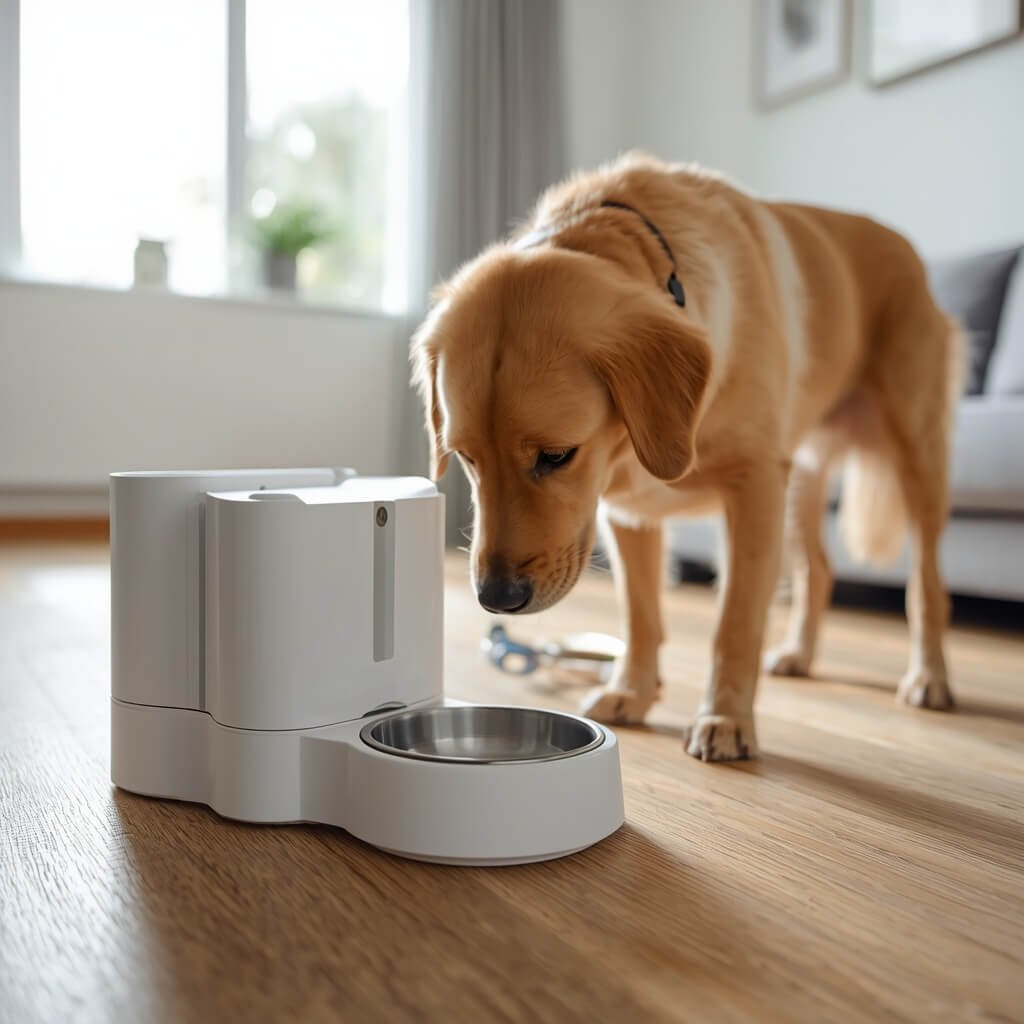
![Control Smart Pet Feeder with Alexa: A Guide [Tips]](https://pawsitivepatch.com/wp-content/uploads/2026/08/img_control-smart-pet-feeder-with-alexa-a-guide-tips.webp)
In today’s fast-paced world, managing pet care can be a challenge, especially when it comes to consistent feeding schedules. Manual feeding can lead to missed meals, overfeeding, or simply the stress of rushing home. Fortunately, modern technology offers a seamless solution: the ability to control smart pet feeder with Alexa or Google Home. This guide will walk you through integrating your smart pet devices with voice commands, transforming your daily routine and ensuring your beloved companion is always fed on time, effortlessly.
The Mechanics of Voice-Controlled Pet Tech
The magic behind controlling your smart pet devices with voice commands lies in the sophisticated integration of smart home ecosystems. These systems, primarily Alexa and Google Home, act as central hubs, connecting various smart devices through Wi-Fi and cloud-based APIs. When you issue a voice command, your smart speaker processes the audio, converts it into a digital instruction, and sends it to the cloud. From there, the command is routed to the specific smart pet device, such as a feeder, telling it to dispense food.
This interconnectedness eliminates the need for physical buttons or even opening an app, offering unparalleled convenience. The underlying technology relies on robust Wi-Fi connectivity and secure communication protocols to ensure commands are accurately received and executed. Understanding these mechanics helps in troubleshooting and optimizing your `voice control pet tech` setup for maximum reliability.
How Smart Devices Communicate
Smart pet feeders and other devices are designed with embedded Wi-Fi modules that allow them to connect to your home network. Once connected, they register with their manufacturer’s cloud service. Voice assistants like Alexa and Google Assistant have ‘skills’ or ‘actions’ that enable them to communicate with these cloud services. When you say, “Alexa, feed my cat,” Alexa’s service interprets this, sends a request to the pet feeder’s cloud service, which then relays the command to your specific feeder via your home Wi-Fi network. This multi-step process is typically instantaneous, making it feel like a direct interaction.
The Role of APIs and Cloud Services
Application Programming Interfaces (APIs) are the digital bridges that allow different software applications to talk to each other. In the context of smart pet devices, APIs enable Alexa or Google Home to send commands to the pet feeder’s software. The manufacturer’s cloud service acts as an intermediary, authenticating your device and ensuring the commands are secure and accurate. This architecture is crucial for maintaining privacy and preventing unauthorized access to your pet’s feeding schedule.
Practical Steps to Control Smart Pet Feeder with Alexa
Setting up your smart pet feeder for voice control is a straightforward process that typically involves a few key steps. By following this action plan, you can quickly transition from manual feeding to the convenience of voice commands, ensuring your pet’s meals are always on schedule.
- Initial Feeder Setup: First, ensure your smart pet feeder is properly set up according to its manufacturer’s instructions. This usually involves plugging it in, connecting it to your home Wi-Fi network, and configuring it through its dedicated mobile app. Make sure the feeder is dispensing food correctly via the app before proceeding to voice control.
- Enable Voice Assistant Skill/Action: Open your Alexa or Google Home app. Search for the ‘skill’ (for Alexa) or ‘action’ (for Google Home) associated with your specific smart pet feeder brand. Enable this skill/action and link your pet feeder account when prompted. This step authorizes your voice assistant to communicate with your feeder.
- Discover Devices: After enabling the skill/action, instruct your voice assistant to discover new devices. You can say, “Alexa, discover devices” or “Hey Google, sync my devices.” Your smart feeder should then appear in your voice assistant’s device list.
- Create Routines (Optional but Recommended): To enhance convenience, create custom routines. For example, you can set up a routine where saying “Alexa, feed Fluffy” triggers a specific food portion. You can also schedule routines, such as “Hey Google, feed the dog at 7 AM and 6 PM,” to automate daily feedings without any voice command needed.
- Test Voice Commands: Once setup is complete, test various voice commands. Try simple commands like “Alexa, feed my pet” or more specific ones if your feeder supports them, such as “Hey Google, dispense one portion for the cat.” Confirm that the feeder responds accurately and dispenses the correct amount of food.
Troubleshooting Common Voice Control Issues
While `voice control pet tech` is generally reliable, you might occasionally encounter issues. Common problems include connectivity drops, unrecognized commands, or incorrect dispensing. Always start by checking your Wi-Fi connection and ensuring your smart feeder’s app shows it as online. If commands aren’t recognized, try rephrasing them or checking the voice assistant app for specific command syntax. Sometimes, simply disabling and re-enabling the skill/action, or re-discovering devices, can resolve minor glitches.
Hardware & Engineering: Investing in Reliable Voice-Controlled Pet Tech
The convenience of voice control is only as good as the reliability of the smart pet devices themselves. When considering a smart pet feeder or other `voice control pet tech`, it’s crucial to look beyond just the voice command feature and evaluate the underlying hardware and engineering. A poorly constructed device can lead to operational failures, food spoilage, and even health risks for your pet, negating any benefits of smart control.
Hidden Costs of Unreliable Smart Devices
Opting for cheap, low-quality smart pet devices might seem like a saving upfront, but it often leads to significant hidden costs. These can include frequent malfunctions, such as jamming mechanisms that prevent food dispensing, inconsistent portion sizes, or unreliable Wi-Fi connectivity that renders voice commands useless. Poor materials can also lead to premature wear and tear, requiring costly replacements. More critically, inconsistent feeding can impact your pet’s health, leading to anxiety, digestive issues, or weight problems, which can result in unexpected veterinary bills.
Furthermore, devices with inadequate security features can be vulnerable to cyber threats, potentially compromising your home network or pet’s data. The frustration of dealing with a constantly failing device, coupled with the potential harm to your pet, far outweighs any initial cost savings. Investing in a robust, well-engineered smart pet feeder is a preventative measure against these long-term consequences.
Investing in Quality Voice-Controlled Pet Tech
High-quality smart pet devices are designed with durability, reliability, and pet safety in mind. Look for feeders made from food-grade, BPA-free plastics or 304 stainless steel for bowls and food storage, ensuring hygiene and longevity. Robust motors and anti-jamming mechanisms are essential for consistent food dispensing. Reliable Wi-Fi modules and secure cloud infrastructure ensure that your voice commands are always received and executed without fail.
Premium devices often come with advanced features like backup battery power, ensuring your pet is fed even during power outages, and integrated cameras for remote monitoring. While the initial investment might be higher, the peace of mind, consistent pet care, and reduced risk of malfunctions make them a worthwhile upgrade. Prioritizing quality in your `voice control pet tech` ensures a seamless and beneficial experience for both you and your pet.
Critical Selection Criteria for Smart Pet Feeders
Choosing the right smart pet feeder to `control smart pet feeder with alexa` or Google Home involves more than just checking for voice compatibility. Pet parents need to consider several key criteria to ensure the device meets their specific needs, offers reliable performance, and provides long-term value. Evaluating these benchmarks will help you make an informed decision and avoid common pitfalls.
- Voice Assistant Compatibility: Ensure the feeder explicitly states compatibility with Alexa and/or Google Home. Check if it requires a specific skill or action and if that skill is well-rated by other users. Some feeders may offer basic voice control, while others allow for more nuanced commands and routine integration.
- Reliability and Durability: Look for feeders with a strong track record of consistent performance. Read reviews regarding motor longevity, anti-jamming mechanisms, and Wi-Fi connectivity stability. Materials like food-grade stainless steel or durable, BPA-free plastics are indicators of quality and hygiene.
- Portion Control and Scheduling: A good smart feeder should offer precise and customizable portion sizes, allowing you to tailor meals to your pet’s dietary needs. Flexible scheduling options, including multiple meals per day and varying portion amounts, are crucial for maintaining a healthy feeding routine.
- App Functionality and User Experience: The accompanying mobile app should be intuitive, user-friendly, and stable. It should allow for easy setup, remote feeding, monitoring, and troubleshooting. Features like feeding history logs, low food alerts, and integrated cameras add significant value.
- Security and Privacy: Given that these devices connect to your home network, evaluate their security features. Look for encrypted data transmission and clear privacy policies. A secure device protects your network from vulnerabilities and your pet’s data from unauthorized access.
Lifecycle, ROI & Convenience Analysis of Voice Control Pet Tech
Embracing `voice control pet tech` for devices like smart feeders offers significant long-term benefits that extend far beyond the initial purchase price. When analyzing the return on investment (ROI) and overall convenience, it’s clear that these smart solutions provide substantial value over their lifecycle, impacting both pet health and owner lifestyle.
Consider a 2-to-5-year period: a high-quality smart pet feeder, especially one integrated with voice commands, dramatically reduces the daily mental load of pet ownership. The time saved from manually measuring and dispensing food, particularly for multiple pets or complex dietary needs, accumulates significantly. This convenience translates into more consistent feeding schedules, which is vital for pets with specific health conditions like diabetes or weight management issues, potentially avoiding costly vet visits associated with inconsistent nutrition.
Beyond time savings, the durability of well-engineered smart feeders means fewer replacements and less maintenance compared to cheaper, less reliable alternatives. The ability to remotely monitor and adjust feeding via an app or voice command provides peace of mind, whether you’re at work, traveling, or simply in another room. This enhanced control and reliability contribute to a happier, healthier pet and a less stressed owner, making the investment in advanced `voice control pet tech` a decision that pays dividends in convenience, health, and overall quality of life.
Frequently Asked Questions
Can I control smart pet feeder with Alexa if I have multiple pets?
Yes, many smart pet feeders and voice assistant platforms allow you to set up multiple feeders and assign specific names or routines to each. This enables you to control individual feeders for different pets, ensuring each one receives their appropriate meal portions and schedules via distinct voice commands.
What if my Wi-Fi goes out? Will my voice-controlled pet feeder still work?
Most voice-controlled pet feeders have a local schedule stored on the device itself. If your Wi-Fi goes out, the feeder will typically continue to dispense food according to the last programmed schedule. However, you won’t be able to issue new voice commands or make remote adjustments until the Wi-Fi connection is restored.
Are there security concerns with using voice control for pet devices?
Reputable smart pet device manufacturers prioritize security, using encryption and secure cloud infrastructure. However, it’s crucial to use strong, unique passwords for your device accounts and Wi-Fi network. Regularly update device firmware and voice assistant apps to ensure you have the latest security patches.
Final Verdict: Embracing Smart Pet Care with Voice Commands
The journey beyond traditional buttons to `control smart pet feeder with Alexa` or Google Home represents a significant leap forward in pet care convenience and efficiency. By integrating smart pet devices into your voice-controlled smart home ecosystem, you unlock a new level of ease, ensuring your pets are fed consistently and reliably, even when you’re not physically present.
While the initial setup requires a few steps, the long-term benefits of consistent feeding, reduced stress, and enhanced peace of mind are invaluable. Prioritizing quality hardware and understanding the capabilities of your `voice control pet tech` will ensure a seamless and rewarding experience. Embrace this smart solution to elevate your pet care routine, making life easier for both you and your cherished companion.
Categories
Recent Post
Smart Pet Device Safety Checks: Essential Steps [Guide]
![Smart Pet App Notification Issues: Fixes [Resolved]](https://pawsitivepatch.com/wp-content/uploads/2026/08/img_smart-pet-app-notification-issues-fixes-resolved.webp)
Smart Pet App Notification Issues: Fixes [Resolved]
![Luxury Smart Pet Home Integration: A Modern Guide [2026 Guide]](https://pawsitivepatch.com/wp-content/uploads/2026/08/img_luxury-smart-pet-home-integration-a-modern-guide-2026-guide.webp)
Luxury Smart Pet Home Integration: A Modern Guide [2026 Guide]
![Crafting Custom Meal Plans Smart Pet Feeders [Guide]](https://pawsitivepatch.com/wp-content/uploads/2026/08/img_crafting-custom-meal-plans-smart-pet-feeders-guide.webp)
Crafting Custom Meal Plans Smart Pet Feeders [Guide]
Tags
- alexa-control, google-home-pet, pet-feeder-automation, smart-pet-devices, voice-commands
Social Share
Continue Reading
Related Posts
Smart Pet Device Safety Checks: Essential Steps [Guide]
Perform smart pet device safety checks to prevent mechanical failures, electrical hazards, and app glitches for your pets.
Smart Pet App Notification Issues: Fixes [Resolved]
Experiencing smart pet app notification issues? Learn common causes and practical steps to fix alerts, ensuring you never miss important updates about your pet.
Luxury Smart Pet Home Integration: A Modern Guide [2026 Guide]
Elevate your living space with luxury smart pet home integration. Discover how to seamlessly blend advanced tech with sophisticated design for your beloved companions.
Crafting Custom Meal Plans Smart Pet Feeders [Guide]
Craft custom meal plans smart pet feeders for optimal pet health. Personalize portions, automate schedules, and ensure precise smart pet nutrition.