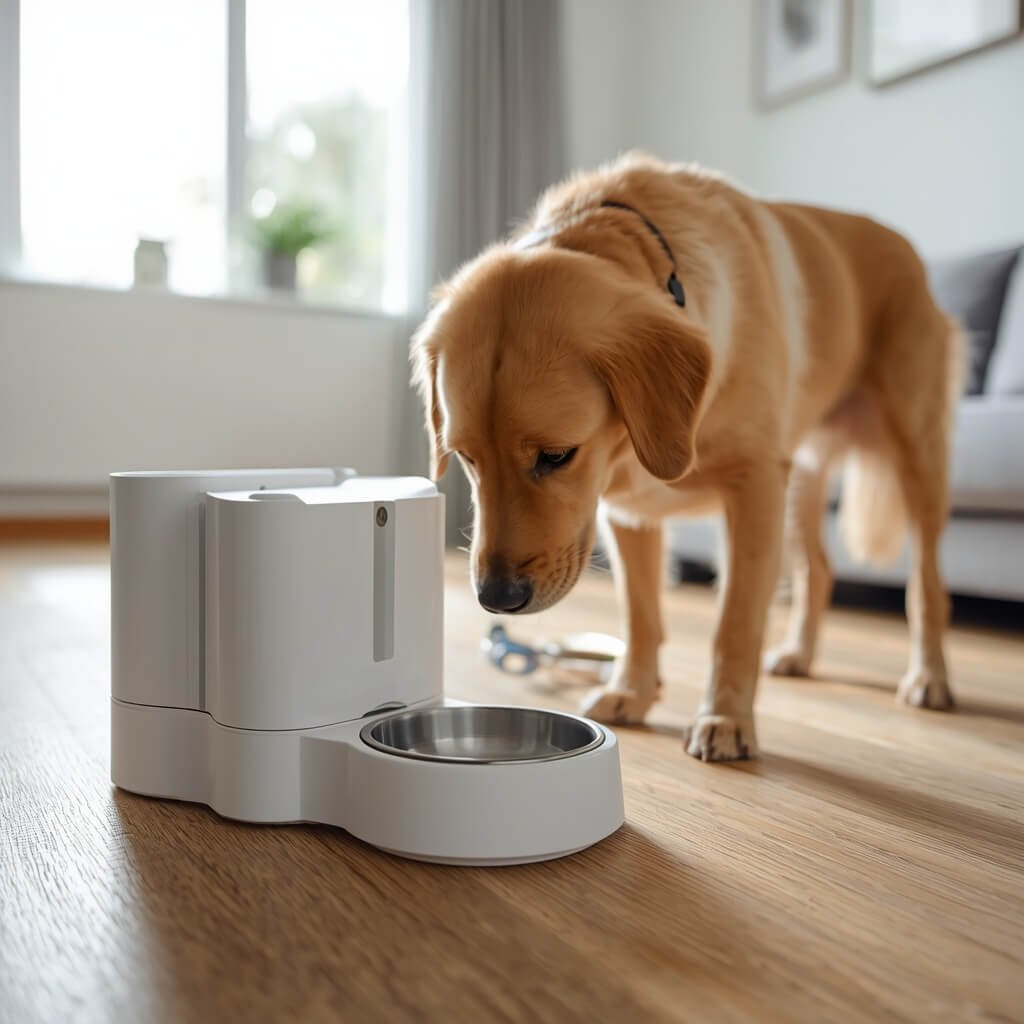
Witnessing your beloved canine companion engage in destructive behavior can be incredibly frustrating and confusing. Whether it’s chewed furniture, scratched doors, or incessant barking, understanding the ‘why’ behind these actions is the first step toward a solution. This is where a smart camera destructive dog behavior analysis becomes invaluable. Modern pet cameras offer more than just a live feed; they provide crucial insights into your dog’s activities when you’re not home, helping you pinpoint the exact triggers and patterns of unwanted habits. By leveraging this technology, pet owners can move beyond guesswork and implement targeted, effective interventions.
Decoding the Root Causes of Destructive Dog Behavior
Destructive dog behavior isn’t just about a ‘naughty’ dog; it’s often a symptom of underlying issues that your pet is struggling to communicate. Common culprits include separation anxiety, boredom, excess energy, fear, or even medical conditions. Traditional methods of understanding these behaviors often fall short because they rely on owners’ observations when present, which is precisely when the destructive acts are less likely to occur. Smart cameras bridge this gap, offering an objective, unbiased look into your dog’s world.
Understanding Canine Psychology and Environmental Triggers
Dogs are creatures of habit and routine, and any disruption can trigger stress or anxiety. A sudden change in schedule, a new environment, or even the absence of a familiar person can lead to behaviors like chewing, digging, or scratching. For instance, a dog with separation anxiety might start pacing, whining, and then escalate to destructive chewing shortly after you leave. A bored dog, on the other hand, might slowly start exploring and then destroy items out of sheer lack of mental stimulation. Smart cameras allow you to observe the timeline and context, revealing these critical environmental triggers and the progression of the behavior.
Why Traditional Observation Fails to Pinpoint Causes
Without a smart camera, pet owners often return home to the aftermath of destruction, making it impossible to know precisely when the behavior started, what preceded it, or how long it lasted. This lack of real-time data means interventions are often based on assumptions rather than facts. For example, punishing a dog upon returning home for something they did hours ago is ineffective and can even worsen anxiety. A smart camera provides the evidence needed to understand the exact moment the smart camera destructive dog behavior begins, allowing for more precise and humane training approaches.
Practical Action Plan: Using Smart Cameras to Identify Issues
Implementing a smart camera system for behavior analysis requires a systematic approach. It’s not just about setting up a camera; it’s about strategic placement, consistent monitoring, and thoughtful analysis of the footage to truly understand your dog’s destructive tendencies.
- Strategic Camera Placement: Position your smart camera to cover the areas where destructive behavior is most likely to occur. This might be near the front door, around specific furniture, or in your dog’s crate area. Ensure a wide field of view to capture the full context of their actions.
- Consistent Monitoring and Recording: Utilize your camera’s motion detection and recording features. Many smart cameras can send alerts when activity is detected, allowing you to observe in real-time or review recorded clips. Consistent recording over several days or weeks will reveal patterns.
- Detailed Behavior Logging: Keep a journal or use an app to log observations. Note the time, duration, specific behavior (e.g., chewing, digging, barking), and any preceding events (e.g., mail delivery, outside noise). Cross-reference this with your camera footage to build a comprehensive picture.
- Identify Triggers and Patterns: Look for correlations. Does the behavior always start 10 minutes after you leave? Does it coincide with a specific noise outside? Is it worse on days when the dog hasn’t had enough exercise? Identifying these triggers is key to developing targeted solutions for your dog’s destructive behavior.
- Consult with a Professional: Once you have a collection of data and identified potential triggers, share this information with a certified professional dog trainer or veterinary behaviorist. The objective evidence from your smart camera footage will be invaluable for them to diagnose the issue and recommend an effective behavior modification plan.
Hardware & Engineering: Preventative Care and Smart Camera Features
The effectiveness of using a smart camera to address smart camera destructive dog behavior heavily relies on the quality and features of the device itself. Investing in the right technology can make all the difference in accurately diagnosing and managing your pet’s issues.
Hidden Costs of Cheap or Improper Alternatives
Opting for a basic security camera not designed for pet monitoring can lead to significant shortcomings. These cameras often lack essential features like two-way audio, which allows you to verbally interact with your pet, or treat dispensers, which can provide positive reinforcement. Poor resolution might obscure crucial details of your dog’s body language, making it harder to interpret their emotional state. Unreliable motion detection might miss important events or generate excessive false alarms, leading to frustration and neglected monitoring. Ultimately, a camera that doesn’t provide clear, actionable insights is a wasted investment, potentially prolonging your dog’s distress and the damage to your home.
High-Quality Smart Camera Standards for Pet Monitoring
A high-quality smart pet camera should offer a suite of features tailored for effective behavior analysis. Look for cameras with high-definition video (1080p or higher) and a wide-angle lens to capture comprehensive room coverage. Night vision is crucial for monitoring in low-light conditions. Two-way audio allows for remote communication, which can sometimes interrupt destructive episodes or provide comfort. Some advanced models include treat dispensers, which can be used for positive reinforcement or distraction. Cloud storage for recorded footage ensures you don’t miss any critical moments, and smart alerts, configurable to specific types of motion or sound, help you focus on relevant events. Durable construction and reliable connectivity are also paramount for consistent, long-term use.
Critical Selection Criteria for Pet Monitoring Cameras
Choosing the right smart camera for monitoring smart camera destructive dog behavior involves evaluating several key factors to ensure it meets your specific needs and provides the most valuable insights.
- Video Quality and Field of View: Prioritize cameras with at least 1080p resolution and a wide-angle lens (130 degrees or more) to capture clear, detailed footage of your dog and their surroundings. Pan and tilt functionality can offer even greater coverage.
- Two-Way Audio and Sound Detection: The ability to hear your dog and speak to them remotely is invaluable. Look for clear audio quality and features that detect specific sounds like barking, whining, or breaking glass, which can trigger alerts.
- Motion Detection and Smart Alerts: Effective motion detection that can differentiate between pets and other movements, along with customizable alert zones, helps reduce false alarms and focuses your attention on relevant events.
- App Functionality and Ease of Use: A user-friendly app is essential for seamless monitoring, reviewing footage, and adjusting settings. Look for features like event timelines, easy sharing of clips, and remote control capabilities.
- Storage Options: Consider whether you prefer local storage (SD card) or cloud storage for recorded footage. Cloud storage often comes with a subscription but offers greater convenience and security for your data.
Lifecycle, ROI & Convenience Analysis of Smart Cameras
Investing in a smart camera for managing smart camera destructive dog behavior offers significant long-term returns, extending far beyond the initial purchase price. The convenience and peace of mind it provides can transform your relationship with your pet and protect your home.
While cheap, quick fixes like simply crating your dog for longer periods might seem appealing, they often fail to address the root cause of the behavior and can exacerbate anxiety. A smart camera, over a 2-to-5-year period, proves its worth by offering continuous, objective data. This data empowers you to work with professionals more effectively, leading to faster and more sustainable behavior modification. The avoided costs of damaged furniture, carpets, and personal belongings can quickly outweigh the camera’s price. More importantly, the time saved from endless guesswork and ineffective training methods is invaluable. The convenience of checking in on your pet from anywhere, receiving instant alerts, and even interacting with them remotely provides immense peace of mind. Ultimately, a smart camera is an investment in your dog’s welfare, your home’s integrity, and the harmonious coexistence between you and your beloved companion.
Frequently Asked Questions
Can a smart camera really help diagnose my dog’s anxiety?
Yes, smart cameras are excellent tools for diagnosing anxiety. By recording your dog’s behavior when you’re away, they can reveal patterns like pacing, excessive drooling, destructive chewing, or constant barking that are indicative of separation anxiety or other stress-related issues. This objective evidence helps veterinarians and trainers make accurate diagnoses.
What features are most important in a smart camera for monitoring destructive dog behavior?
Key features include high-definition video with a wide field of view, reliable motion and sound detection with smart alerts, and two-way audio for remote communication. Some cameras also offer treat dispensers or laser pointers for distraction, which can be beneficial for managing boredom-related destructive behavior.
How long should I record my dog’s behavior to get useful data?
To gather useful data on destructive dog behavior, it’s recommended to record consistently for at least several days, and ideally a week or two. This allows you to observe patterns, identify specific triggers, and see if the behavior varies on different days or under different circumstances, providing a comprehensive understanding.
Conclusion: Empowering Pet Owners with Smart Monitoring
Understanding and addressing destructive dog behavior is a journey that requires patience, consistency, and the right tools. Smart cameras have emerged as a game-changer for pet owners, offering unparalleled insight into their dogs’ lives when they’re alone. By providing objective data on the ‘what, when, and why’ of unwanted actions, these devices empower owners to move beyond frustration and implement targeted, effective solutions.
The strategic use of smart camera technology, combined with professional guidance, can transform a challenging situation into an opportunity for growth and improved welfare for your pet. Investing in a quality smart camera is not just about protecting your home; it’s about fostering a deeper understanding of your dog’s needs and building a stronger, happier bond. Take the proactive step to monitor your pet’s behavior and unlock the secrets to a more harmonious home life.


![How to Install Smart Pet Door: Seamless Access Guide [Guide]](https://pawsitivepatch.com/wp-content/uploads/2026/08/img_how-to-install-smart-pet-door-seamless-access-guide-guide.webp)
![Smart Brush Dog Shedding Mess: Taming Tumbleweeds [Guide]](https://pawsitivepatch.com/wp-content/uploads/2026/08/img_smart-brush-dog-shedding-mess-taming-tumbleweeds-guide-3.webp)
![Smart Tech Senior Cat Vital Monitoring [Guide]](https://pawsitivepatch.com/wp-content/uploads/2026/08/img_smart-tech-senior-cat-vital-monitoring-guide-2.webp)