Informational: Complete Guide to Smart Cat Feeding [Step-by-Step]
-
sharoz rabbani
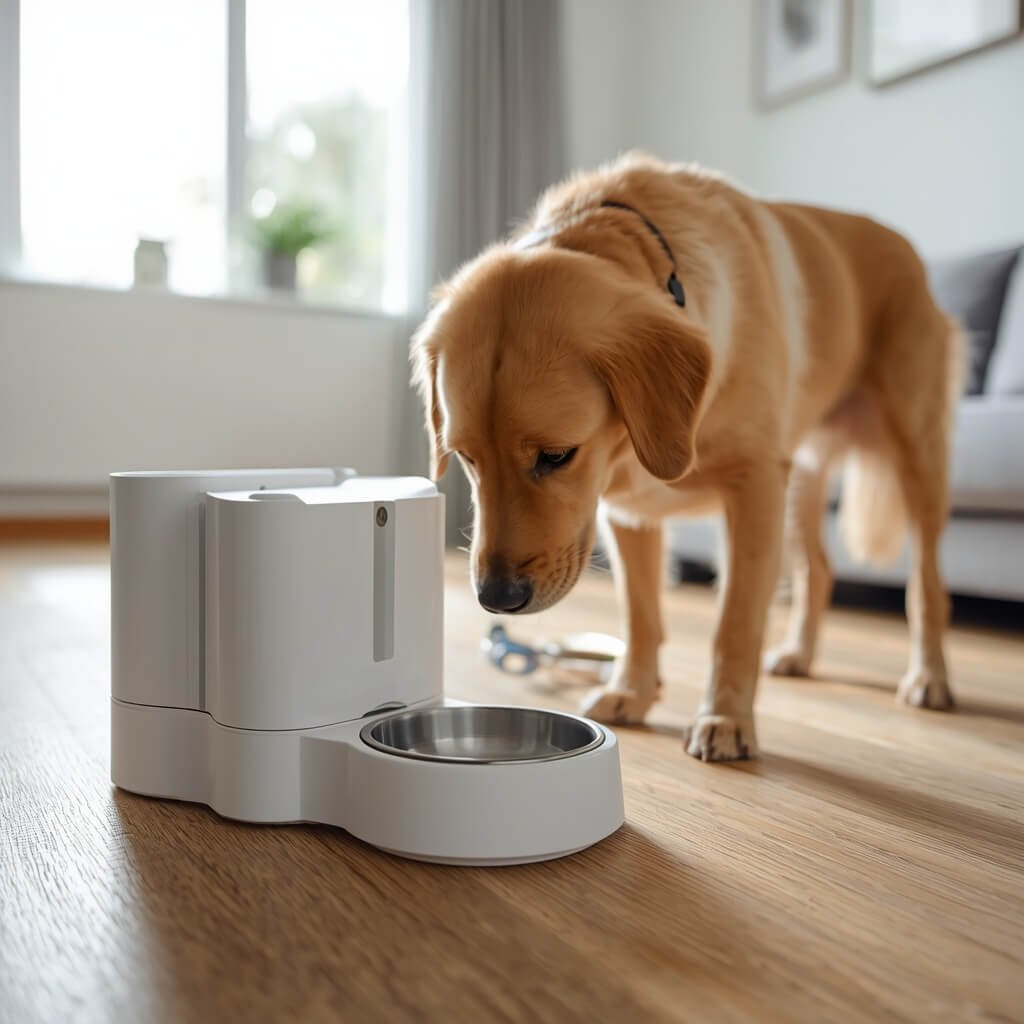
![Informational: Complete Guide to Smart Cat Feeding [Step-by-Step]](https://pawsitivepatch.com/wp-content/uploads/2026/08/img_informational-complete-guide-to-smart-cat-feeding-step-by-step.webp)
Managing a cat’s specialized diet, particularly for conditions like kidney disease or diabetes, presents significant daily challenges for pet owners. The manual process of precise portion control, consistent timing, and ensuring the right food type can be incredibly demanding, leading to stress and potential inconsistencies in your feline companion’s crucial dietary regimen. This constant vigilance often feels like a full-time job, detracting from the joy of pet ownership and adding a layer of complexity to an already busy life.
The consequences of inconsistent feeding can be severe, ranging from fluctuating blood sugar levels in diabetic cats to accelerated progression of kidney disease due to improper nutrient intake. This not only impacts your cat’s immediate health and comfort but also leads to increased veterinary visits, higher medication costs, and immense emotional strain as you worry about their well-being. The agitation of knowing you’re doing your best but still struggling with the precision required can be overwhelming.
Fortunately, advancements in smart pet technology offer a robust solution to these complex dietary needs. This guide will delve into how smart feeding systems can revolutionize your cat’s health management, providing unparalleled accuracy and consistency. By leveraging these innovative tools, you can ensure your cat receives the exact nutrition they need, precisely when they need it, alleviating stress for both you and your pet. Explore the benefits of these advanced solutions with our recommendations for [Top High-Performance Automated Systems].
The Science Behind Smart Cat Feeding: Why Modern Systems Fail
The core challenge in traditional feline diet management, especially for conditions like kidney disease or diabetes, lies in the inherent variability of manual feeding. Human error in portion measurement, inconsistent feeding schedules, and the inability to monitor consumption accurately are primary technical breakdowns. Many conventional feeders, even those marketed as ‘automatic,’ often lack the granular control necessary for therapeutic diets. They may dispense by volume rather than weight, leading to significant discrepancies in caloric and nutrient intake, which is critical for a cat on a strict smart tech cat kidney diet. Furthermore, their mechanisms can be prone to jamming or inaccurate dispensing, compromising the integrity of a carefully planned dietary regimen.
Standard household environments and common user habits inadvertently accelerate these systemic failures. For instance, placing a feeder in a high-traffic area can lead to accidental bumps, dislodging food or altering settings. Humidity levels can affect kibble consistency, impacting dispensing accuracy. Moreover, the sheer convenience of ‘set it and forget it’ often leads owners to neglect regular calibration or cleaning, allowing residue buildup to interfere with sensors and motors. Without proper informational feedback loops or robust mechanical design, these systems become unreliable, turning a supposed solution into another source of dietary inconsistency for vulnerable felines.
Step-by-Step Triage: Immediate Actions to Resolve the Issue
Before attempting any adjustments to your smart cat feeder, ensure you prioritize safety and prevent further complications. Begin by disconnecting the device from its power source and clearing any visible food residue from the hopper and dispensing chute. This initial preparation helps prevent accidental activation and provides a clean slate for troubleshooting. For informational purposes, always consult your device’s manual for specific safety instructions.
- Inspect for Obstructions: Carefully examine the dispensing mechanism, auger, and food chute for any lodged kibble, debris, or foreign objects. Sometimes, irregularly shaped kibble or small fragments can cause blockages. Use a soft brush or a dry cloth to gently clear any impediments, ensuring the path for food delivery is completely clear.
- Check Food Level and Type: Verify that the food hopper contains sufficient kibble and that the kibble size and shape are compatible with your feeder’s design. Overfilling can sometimes lead to jamming, while using kibble that is too large or too small for the dispensing aperture can cause inconsistencies. Refer to your feeder’s specifications for recommended kibble dimensions.
- Recalibrate Dispensing Settings: Access your feeder’s app or control panel and perform a manual test dispense. If available, recalibrate the portion sizes. Some feeders allow for weight-based calibration; if so, use a kitchen scale to verify the dispensed amount matches the programmed setting. This step is crucial for maintaining the precision required for a cat’s specific dietary needs.
While these immediate physical adjustments can often resolve minor operational glitches, it’s crucial to understand their limitations. Such troubleshooting steps are temporary band-aids that fail to address the core structural engineering limitations inherent in lower-tier hardware. These devices often lack the robust components, advanced sensor technology, and durable build quality necessary to maintain long-term precision and reliability, particularly under the demanding requirements of a therapeutic diet.
Choosing Design Quality Over Constant Maintenance
The Invisible Cost of Cheap Engineering
The allure of a lower upfront cost for pet technology often masks a significant, compounding financial and emotional burden. Cheaply engineered smart feeders, while initially appealing, inevitably lead to a cycle of constant maintenance and frustration. Owners find themselves repeatedly troubleshooting jams, recalibrating inaccurate portions, or dealing with premature component failures. This isn’t just about replacing a broken part; it’s about the wasted personal time spent diagnosing issues, the emotional stress of worrying about your pet’s health due to inconsistent feeding, and the potential for ruined specialized consumable supplies. The true cost extends far beyond the purchase price, encompassing lost peace of mind and the invaluable time that could be spent enjoying your pet rather than managing their unreliable equipment.
What Bulletproof Hardware Looks Like
Investing in premium, robustly designed smart feeding hardware fundamentally shifts the paradigm from reactive maintenance to proactive reliability. Bulletproof hardware for a smart tech cat kidney diet incorporates features like precision-engineered, anti-jamming auger systems, often made from durable, food-grade materials that resist wear and tear. These systems frequently include advanced weight sensors for exact portion control, ensuring every meal is dispensed with millimeter accuracy. Look for sealed gear networks that prevent food particles from interfering with mechanical operations and heavy-duty chassis designs that withstand accidental bumps and provide stability. Such thoughtful engineering minimizes failure points, ensures consistent performance, and delivers the peace of mind that your cat’s dietary needs are met without constant intervention. Discover the leading options by exploring our [Top High-Performance Automated Systems].
Core Features That Prevent Future Equipment Failure
When selecting a smart feeder for your cat’s specialized diet, it’s imperative to look beyond flashy marketing and focus on verifiable physical blueprints and build specifications. Many devices promise convenience, but only those engineered with longevity in mind will truly prevent future equipment failures and ensure consistent, precise feeding. Prioritize robust construction and intelligent design over superficial features that don’t contribute to core functionality or durability.
- Precision Weight-Based Dispensing: Opt for feeders that utilize integrated scales to dispense food by weight (grams or ounces) rather than by volume. This ensures unparalleled accuracy for specific dietary requirements, crucial for managing conditions like diabetes or kidney disease. Look for systems with high-resolution load cells and consistent calibration capabilities to maintain this precision over time. This informational detail is paramount for therapeutic diets.
- Anti-Jamming & Self-Cleaning Mechanisms: A critical feature for long-term reliability is a dispensing system designed to prevent kibble jams. This often includes robust, slow-moving augers, wide dispensing chutes, and even self-cleaning brushes or vibrating plates that dislodge stuck food. Modular cleanability, allowing for easy disassembly and thorough cleaning of food contact parts, is also essential to prevent buildup and maintain hygiene, which can impact dispensing accuracy.
- Battery Backup & Connectivity Redundancy: Equipment failure isn’t always mechanical; power outages or Wi-Fi disruptions can also compromise feeding schedules. A reliable smart feeder should include a robust battery backup system that seamlessly takes over during power loss, ensuring meals are never missed. Furthermore, look for devices with local scheduling capabilities that can operate independently of Wi-Fi once programmed, providing crucial redundancy for uninterrupted service.
Calculating the Real-World Return on Your Investment
Longevity vs. Constant Replacement
The initial sticker price of a high-quality smart pet feeder might seem substantial, but its long-term economic benefits far outweigh the recurring costs associated with cheaper, less reliable alternatives. Industrial-grade machinery, designed with superior components and robust construction, boasts an operational lifecycle of five to seven years, often much longer. This contrasts sharply with budget devices that frequently fail within 12 to 18 months, leading to a costly cycle of replacement purchases. Each replacement not only incurs the cost of a new unit but also the inconvenience of researching, purchasing, and setting up a new device. For a smart tech cat kidney diet, this reliability is not just a convenience but a health necessity, preventing costly veterinary interventions due to inconsistent feeding.
Consumable and Time Efficiency
Beyond the hardware itself, a premium smart feeder delivers significant value through optimized resource distribution and the reclamation of your personal time. Highly precise, weight-based dispensing minimizes food waste by ensuring exact portions, preventing overfeeding or underfeeding of expensive prescription diets. This optimized resource management translates directly into savings on specialized kibble. More importantly, the daily economic value of reclaiming your personal free time is immeasurable. Instead of manually measuring, monitoring, and worrying about your cat’s meals, you gain hours back each week. This allows you to focus on other responsibilities, enjoy leisure activities, or simply spend quality, stress-free time with your pet, knowing their dietary needs are perfectly managed.
Frequently Asked Questions About Smart Cat Feeding
What impact does kibble size and texture have on smart feeder performance?
Kibble size and texture significantly affect feeder performance. Irregularly shaped, overly large, or excessively oily kibble can cause jams, reduce dispensing accuracy, and lead to inconsistent portioning. Always refer to your feeder’s specifications for recommended kibble dimensions and avoid sticky or crumbly textures to ensure smooth operation.
How often should I clean my smart feeder to ensure optimal function and hygiene?
For optimal function and hygiene, it’s recommended to clean your smart feeder’s food contact parts at least once a week, or more frequently if using wet or semi-moist food. Regular cleaning prevents food residue buildup that can interfere with sensors and dispensing mechanisms. This informational maintenance ensures consistent and accurate meal delivery.
Can improper placement or setup calibration errors affect my cat’s diet precision?
Yes, improper placement or setup calibration errors can significantly impact diet precision. Placing the feeder on an uneven surface can affect weight sensors, leading to inaccurate dispensing. Furthermore, incorrect initial calibration of portion sizes or scheduling can lead to over or underfeeding. Always ensure the feeder is on a stable, level surface and follow the setup instructions carefully for optimal informational accuracy.
Final Verdict: Upgrading Your Setup for Long-Term Reliability
The choice between continuously applying manual fixes to an unreliable feeding system and transitioning to an automated, high-grade solution is clear. While immediate troubleshooting can offer temporary relief, it fails to address the fundamental engineering limitations of budget hardware. Investing in a precision-engineered smart feeder means moving beyond the stress of constant monitoring and the financial drain of recurring replacements, securing a future of consistent, accurate, and worry-free feline nutrition.
It’s time to audit your current hardware setup and recognize the profound benefits of long-term reliability. Empower your cat’s health journey with technology designed for precision and durability, ensuring their specialized dietary needs are met without compromise. Make the strategic transition today and explore our curated list of [Top High-Performance Automated Systems] to find the perfect solution for your beloved companion.
Categories
Recent Post
Smart Pet Device Safety Checks: Essential Steps [Guide]
![Smart Pet App Notification Issues: Fixes [Resolved]](https://pawsitivepatch.com/wp-content/uploads/2026/08/img_smart-pet-app-notification-issues-fixes-resolved.webp)
Smart Pet App Notification Issues: Fixes [Resolved]
![Luxury Smart Pet Home Integration: A Modern Guide [2026 Guide]](https://pawsitivepatch.com/wp-content/uploads/2026/08/img_luxury-smart-pet-home-integration-a-modern-guide-2026-guide.webp)
Luxury Smart Pet Home Integration: A Modern Guide [2026 Guide]
![Crafting Custom Meal Plans Smart Pet Feeders [Guide]](https://pawsitivepatch.com/wp-content/uploads/2026/08/img_crafting-custom-meal-plans-smart-pet-feeders-guide.webp)
Crafting Custom Meal Plans Smart Pet Feeders [Guide]
Tags
- cat-kidney-diet, diabetic-diet, feline-health, precision-feeding, smart-tech
Social Share
Continue Reading
Related Posts
Smart Pet Device Safety Checks: Essential Steps [Guide]
Perform smart pet device safety checks to prevent mechanical failures, electrical hazards, and app glitches for your pets.
Smart Pet App Notification Issues: Fixes [Resolved]
Experiencing smart pet app notification issues? Learn common causes and practical steps to fix alerts, ensuring you never miss important updates about your pet.
Luxury Smart Pet Home Integration: A Modern Guide [2026 Guide]
Elevate your living space with luxury smart pet home integration. Discover how to seamlessly blend advanced tech with sophisticated design for your beloved companions.
Crafting Custom Meal Plans Smart Pet Feeders [Guide]
Craft custom meal plans smart pet feeders for optimal pet health. Personalize portions, automate schedules, and ensure precise smart pet nutrition.