Smart Litter Box Health Monitoring: A Full Guide
-
 Sharoz Rabbani

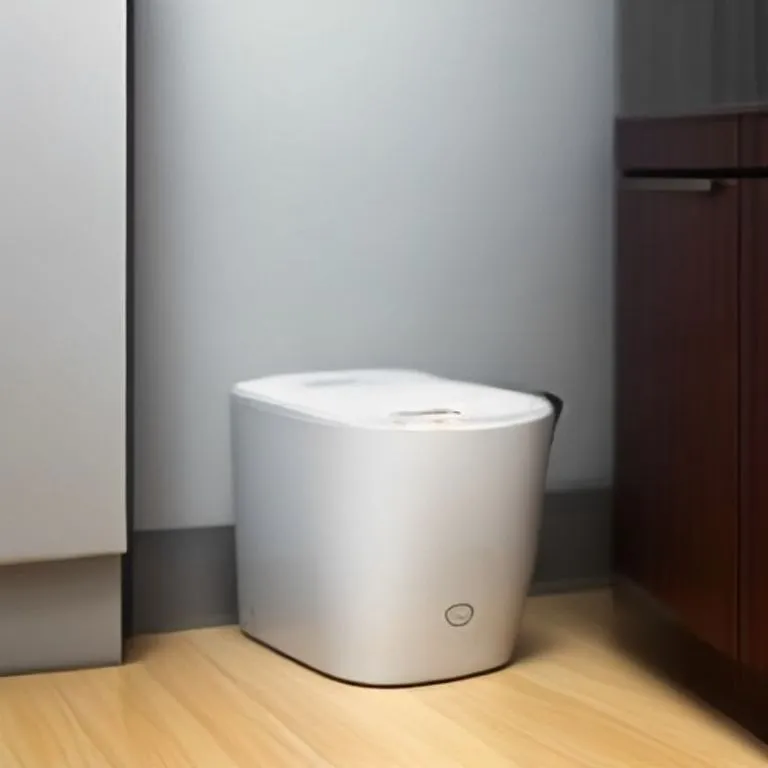
Introduction: Elevating Feline Care with Smart Technology
The modern pet parent is always seeking innovative ways to enhance their cat’s well-being, and at the forefront of this evolution is smart litter box health monitoring. Beyond simply managing waste, these advanced systems offer a revolutionary approach to feline care by addressing common concerns like odor control and providing invaluable insights into your cat’s health. This guide delves into how smart litter boxes work, their benefits, and what to consider when integrating one into your home, ensuring a cleaner environment and a healthier, happier cat.
Traditional litter boxes, while functional, often fall short in addressing persistent odors and providing any data on a cat’s habits. Smart litter boxes, however, leverage technology to automate cleaning, neutralize smells, and most importantly, track crucial health indicators. This proactive approach allows owners to detect potential issues early, leading to better preventative care and peace of mind.
Understanding Feline Odor & Smart Litter Box Mechanics
Feline waste odor is a common challenge for cat owners, stemming from ammonia and other volatile organic compounds produced during the decomposition of urine and feces. Traditional litter boxes, especially if not cleaned frequently, can quickly become sources of unpleasant smells. The mechanics of smart litter boxes are specifically engineered to combat this problem head-on, often incorporating advanced filtration and automated waste removal systems.
The Science Behind Odor Elimination
Smart litter boxes employ various scientific principles to neutralize odors. Many models feature activated carbon filters, which are highly effective at absorbing and trapping odor molecules. Some go further, integrating UV-C light sanitization to kill bacteria and viruses that contribute to smells, or utilizing sealed waste compartments that prevent odors from escaping. Automated raking systems ensure that waste is promptly removed and sealed away, minimizing the time it has to decompose and release offensive gases into the air. This combination of immediate removal and advanced filtration significantly reduces the presence of unpleasant smells in your home.
How Smart Sensors Revolutionize Litter Box Management
The true innovation in smart litter boxes lies in their sophisticated sensor technology, which forms the backbone of their health monitoring capabilities. These sensors can track a multitude of data points, including your cat’s weight, the frequency and duration of their visits, and even the volume of waste. Changes in these patterns can be early indicators of health issues such as urinary tract infections, kidney problems, or digestive disorders. For instance, an increase in visit frequency might suggest a UTI, while a sudden weight loss could signal a more serious underlying condition. By collecting and analyzing this data, smart litter boxes provide owners with actionable insights, allowing them to consult a veterinarian promptly if unusual patterns emerge.
Maximizing Smart Litter Box Health Monitoring for Your Cat
Integrating a smart litter box into your home is more than just a convenience; it’s an opportunity to proactively manage your cat’s health and enhance their living environment. To truly leverage the benefits of smart litter box health monitoring, proper setup and consistent use are key. This section outlines practical steps to ensure you’re getting the most out of your advanced feline care system.
Setting Up Your Smart Litter Box for Optimal Performance
Proper setup is crucial for accurate health monitoring and effective odor control. Follow these steps to maximize your smart litter box’s performance:
- Placement is Key: Choose a quiet, accessible location where your cat feels secure. Avoid high-traffic areas or places near loud appliances, as this can deter your cat from using the box.
- Initial Training: Introduce your cat to the new litter box gradually. You might place some of their old litter into the new box to encourage familiarity. Ensure they are comfortable before fully transitioning.
- Connect to the App: Download the accompanying smartphone app and connect your device. This is essential for receiving real-time notifications, accessing health reports, and customizing settings.
- Calibrate Sensors: Many smart litter boxes require initial calibration for accurate weight and usage tracking. Follow the manufacturer’s instructions carefully to ensure precise data collection.
- Monitor Early Data: Pay close attention to the initial data collected. This establishes a baseline for your cat’s normal habits. Any significant deviations from this baseline should be noted.
By following these steps, you’ll create an environment where your cat is comfortable using the smart litter box, and you’ll begin collecting valuable data for their health profile.
Investing in Durability: Smart Litter Box Longevity & Care
When considering a smart litter box, the initial investment can seem significant. However, understanding the long-term benefits and the importance of durability and proper maintenance can highlight its true value. A well-constructed smart litter box is not just a convenience; it’s a long-term asset for feline health and home hygiene.
Common Pitfalls of Subpar Litter Box Design
Opting for cheaper, lower-quality smart litter boxes can lead to a host of problems that negate any initial savings. These often feature flimsy plastics that absorb odors over time, making them impossible to truly clean. Inferior mechanical components are prone to premature failure, leading to frequent jamming, incomplete cleaning cycles, or even complete breakdown. Poorly sealed waste compartments can allow odors to escape, defeating one of the primary purposes of a smart system. Furthermore, unreliable sensors in cheaper models can provide inaccurate health data, leading to missed early detection of feline health issues or unnecessary worry for pet owners. These operational failures and poor material choices ultimately result in a frustrating user experience and a shorter product lifespan, requiring costly replacements.
Premium Materials and Advanced Engineering for Feline Wellness
High-quality smart litter boxes are designed with longevity and performance in mind. They often utilize durable, non-porous plastics or even stainless steel components that resist odor absorption and are easy to clean. Robust motors and gears ensure smooth, consistent operation of self-cleaning mechanisms, reducing the likelihood of jams and breakdowns. Advanced filtration systems, such as multi-layer carbon filters and integrated UV-C lights, are more effective and last longer, providing superior odor control. Furthermore, precision-engineered sensors offer consistent and accurate smart litter box health monitoring data, giving pet owners reliable insights into their cat’s habits and potential health changes. Investing in such a system means fewer maintenance headaches, a consistently fresh home, and reliable data to support your cat’s long-term wellness.
Choosing the Right Smart Litter Box: Key Criteria
Selecting the ideal smart litter box involves more than just picking the first model you see. To ensure you make an informed decision that benefits both you and your feline companion, consider these critical selection criteria:
- Health Monitoring Capabilities: Evaluate the depth of health data provided. Does it track weight, frequency, and duration of visits? Does it offer historical data and alert features? Comprehensive monitoring is crucial for proactive feline health management.
- Odor Control Effectiveness: Look for features like activated carbon filters, sealed waste compartments, and UV-C sterilization. Read reviews specifically addressing odor elimination to gauge real-world performance.
- Cleaning Mechanism & Maintenance: Assess the self-cleaning method (e.g., raking, sifting, rotating drum). Consider how easy it is to empty the waste drawer, replace filters, and perform routine cleaning. A system that is easy to maintain will be used more consistently.
- Litter Compatibility: Check what type of litter the smart box is designed for (e.g., clumping clay, silica gel, plant-based). Ensure it aligns with your preferred litter type or be prepared to switch.
- Size and Design: The litter box should be appropriately sized for your cat, allowing them to enter, turn around, and exit comfortably. Consider the aesthetic design and how it will integrate into your home environment.
By carefully evaluating these factors, you can choose a smart litter box that not only meets your needs for convenience and odor control but also provides robust health insights for your cat.
The Long-Term Value of Smart Litter Box Technology
The decision to invest in a smart litter box often comes with questions about its long-term value and return on investment. While the upfront cost may be higher than a traditional litter box, the benefits extend far beyond immediate convenience, encompassing aspects of lifestyle, financial savings, and most importantly, pet health.
Over a 2-to-5-year period, a high-quality smart litter box can offer significant advantages. The automated cleaning saves considerable time and effort, freeing up minutes each day that would otherwise be spent scooping. This convenience translates into a more pleasant home environment, as odors are consistently managed, and the litter box area remains cleaner. From a financial perspective, while the initial purchase is an investment, the efficiency of some smart litter boxes in terms of litter usage can lead to savings over time. Furthermore, the proactive health monitoring capabilities can potentially save on veterinary bills by enabling early detection of illnesses, which are often less costly and easier to treat in their initial stages. Avoiding a severe, advanced condition due to early detection can result in substantial savings and prevent prolonged suffering for your pet.
Ultimately, the true value lies in the enhanced quality of life for both pet and owner. A consistently clean environment reduces stress for your cat, and the peace of mind that comes from continuous smart litter box health monitoring is invaluable. It transforms a mundane chore into a powerful tool for preventative care, making it a worthwhile upgrade for any dedicated cat parent.
Frequently Asked Questions
How does smart litter box health monitoring work?
Smart litter boxes use integrated sensors to track various metrics like your cat’s weight, the frequency and duration of their visits, and waste volume. This data is then sent to a connected smartphone app, allowing you to monitor trends and receive alerts for any significant changes that might indicate a health issue.
Can a smart litter box truly eliminate odors?
While no system can guarantee 100% odor elimination, smart litter boxes significantly reduce odors through a combination of features. These often include automated waste removal and sealing, activated carbon filters, and sometimes UV-C light sterilization, which collectively work to neutralize smells and keep your home fresher.
Are smart litter boxes difficult to set up and maintain?
Most smart litter boxes are designed for relatively easy setup, typically involving assembly, litter addition, and connecting to a smartphone app. Maintenance usually involves emptying a sealed waste drawer every few days to a week, and periodically replacing filters, which is generally less frequent and less hands-on than scooping a traditional box daily.
Final Verdict: A Smarter Approach to Comprehensive Feline Care
The evolution of the humble litter box into a sophisticated smart device represents a significant leap forward in pet care. By seamlessly integrating automated cleaning with advanced smart litter box health monitoring, these systems offer a dual benefit: a consistently clean, odor-free home environment and invaluable insights into your cat’s well-being. The ability to track subtle changes in your feline friend’s habits provides a powerful tool for early detection of potential health issues, transforming reactive care into proactive wellness management.
While the initial investment requires consideration, the long-term advantages in terms of convenience, hygiene, and preventative health care make smart litter boxes a compelling upgrade for any dedicated cat owner. Embrace this technology to not only simplify your daily routine but also to foster a healthier, happier life for your beloved companion.
Categories
Recent Post

Beat the Heat: Smart Sensors for Pet Heatstroke Prevention
Smart Feeder Dispensing Wrong Portions? Fix Accuracy Issues

How to Stop Cat Scratching Furniture with Smart Tech

Smart Water Additives: The Dog Dental Water Solution
Tags
- automated-litter-care, cat-wellness-tech, feline-health-tracking, odor-control-litter, pet-health-devices
Social Share
Continue Reading
Related Posts
Beat the Heat: Smart Sensors for Pet Heatstroke Prevention
Smart pet sensors offer a vital defense against heatstroke, monitoring indoor temperatures and humidity. Learn how these devices provide real-time alerts to keep your furry
Smart Feeder Dispensing Wrong Portions? Fix Accuracy Issues
Is your smart pet feeder dispensing wrong portions? Learn how to diagnose and fix common accuracy issues to ensure your pet gets the right amount
How to Stop Cat Scratching Furniture with Smart Tech
Discover how smart cat deterrents leverage technology to protect your furniture from destructive scratching. Learn effective strategies for a peaceful home.
Smart Water Additives: The Dog Dental Water Solution
Discover how smart water additives and automated rinses offer an effective dog dental water solution, moving beyond traditional brushing for better oral health.