How to Stop Cat Scratching Furniture with Smart Tech
-
 Sharoz Rabbani

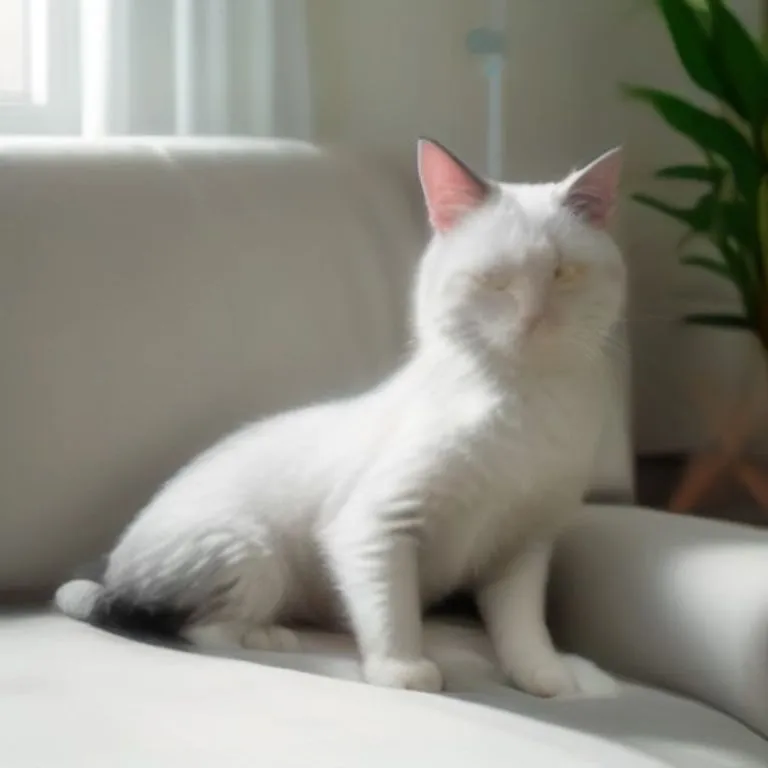
Destructive scratching is a common and frustrating problem for many cat owners. While scratching is a natural and essential feline behavior, it can wreak havoc on your beloved furniture, leading to damaged sofas, shredded carpets, and frayed nerves. Fortunately, advancements in pet technology offer innovative solutions. This guide explores how smart cat deterrents can effectively protect your home, providing practical strategies and insights into these high-tech tools.
Understanding Why Cats Scratch
Cats scratch for a variety of reasons, all rooted in their natural instincts. It’s not an act of defiance, but a fundamental part of being a cat. They scratch to maintain their claws, shedding old layers to reveal sharp new ones. Scratching also serves as a form of exercise, stretching their bodies and flexing their paws. Furthermore, cats use scratching to mark their territory, both visually and through scent glands located in their paws. Understanding these motivations is the first step toward finding an effective cat scratching sofa solution that works with your cat’s instincts, rather than against them.
The Problem: Cat Scratching Sofa Solution
When a cat repeatedly targets your sofa, armchair, or other upholstered items, it’s often because these surfaces offer the ideal texture and stability for their scratching needs. The vertical orientation and sturdy material mimic trees or other natural scratching posts. Without appropriate alternatives or effective deterrents, cats will continue to use your furniture, leading to significant damage and stress for both pet and owner. Finding a viable cat scratching sofa solution is crucial for maintaining both your furniture and a peaceful coexistence with your feline companion.
The Rise of Smart Cat Deterrents
The pet industry has embraced technology to address common behavioral challenges, and destructive scratching is no exception. Smart cat deterrents are designed to discourage unwanted scratching by creating a mild, harmless, and often temporary, unpleasant sensation or surprise when a cat approaches or engages with a forbidden area. These devices leverage various technologies, from motion sensors to sound and spray, to gently redirect your cat’s attention and teach them which areas are off-limits. They offer a modern approach to managing cat behavior, moving beyond traditional methods that might not always be effective or humane.
How Smart Deterrents Work: Motion Activated Cat Deterrent
Many smart cat deterrents operate on the principle of a motion activated cat deterrent. These devices typically use infrared sensors to detect when your cat enters a designated ‘no-go’ zone. Once motion is detected, the device emits a harmless, startling burst of air, a high-frequency sound, or a bright flash of light. The surprise is usually enough to make the cat retreat without causing any pain or fear. The goal is to create a negative association with the act of scratching furniture, encouraging your cat to seek out approved scratching surfaces instead. This immediate, consistent feedback is key to their effectiveness.
How to Use Smart Cat Deterrents Effectively
Implementing tech to stop cat scratching furniture requires more than just placing a device. Strategic deployment and a holistic approach are essential for success. Understanding how to use smart cat deterrents involves careful consideration of your cat’s habits, the device’s capabilities, and integrating positive reinforcement for desired behaviors. The aim is to create an environment where your cat naturally chooses appropriate scratching outlets over your valuable furniture.
Choosing the Right Device
The market offers a variety of smart cat deterrents, each with different features. Some devices emit a burst of compressed air, while others use ultrasonic sounds or flashing lights. Consider your cat’s temperament; some cats are more sensitive to sound, while others might be startled by air. Look for devices that are easy to set up, have adjustable sensitivity settings, and are discreet enough to blend into your home decor. Reading reviews and understanding the specific mechanisms of each device can help you make an informed choice that best suits your cat and your home.
Strategic Placement for Maximum Impact
Effective placement is crucial for any motion activated cat deterrent. Identify the specific areas your cat targets most frequently for scratching. Place the deterrent device directly in front of or very close to these spots. Ensure the sensor has a clear line of sight to detect your cat’s approach. You might need multiple devices for different problem areas. Experiment with angles and distances to find the optimal setup that triggers the deterrent consistently without accidentally startling family members or other pets. Consistency in application reinforces the message to your cat.
Combining Tech with Training
Smart deterrents are powerful tools, but they work best when combined with positive reinforcement and training. Simultaneously provide attractive, appropriate scratching alternatives, such as scratching posts, cardboard scratchers, or cat trees, in various textures and orientations (vertical, horizontal, angled). Reward your cat with treats, praise, or playtime whenever they use these approved surfaces. You can also make these surfaces more appealing by sprinkling catnip or attaching toys. This dual approach of deterring unwanted behavior while encouraging desired behavior creates a clear and positive learning experience for your cat.
Do Smart Cat Deterrents Work?
Many cat owners wonder, do smart cat deterrents work? The answer is generally yes, but with caveats. Their effectiveness largely depends on consistent application, the cat’s individual personality, and the owner’s commitment to providing attractive alternatives. For many cats, the immediate, harmless surprise from a motion activated cat deterrent is enough to break the habit of scratching furniture. However, some highly persistent or anxious cats may require a more patient approach or a combination of different strategies. It’s important to remember that these devices are tools to help redirect behavior, not a magic bullet. Success often comes from a comprehensive approach that includes understanding your cat’s needs, providing appropriate outlets, and consistent positive reinforcement.
Beyond Deterrents: Comprehensive Cat-Proofing
While smart cat deterrents are excellent for immediate behavior modification, a truly cat-proofed home involves a multi-faceted approach. Consider physical barriers like double-sided sticky tape or furniture covers for temporary protection. Investing in high-quality, sturdy scratching posts made from various materials (sisal, carpet, cardboard, wood) is paramount. Place these posts in prominent areas where your cat likes to spend time, especially near their preferred scratching spots. Regularly trim your cat’s claws to minimize potential damage, and consider soft nail caps as a temporary measure. A combination of tech, training, and environmental enrichment creates the most effective defense against destructive scratching.
Frequently Asked Questions
Are smart cat deterrents safe for my cat?
Yes, most smart cat deterrents are designed to be completely safe for cats. They typically use harmless bursts of compressed air, ultrasonic sounds, or flashing lights that startle but do not injure or cause lasting fear. The intent is to create a mild, temporary aversion to a specific area, not to inflict pain or distress. Always choose products from reputable manufacturers and follow their instructions carefully.
How long does it take for smart deterrents to work?
The time it takes for smart deterrents to be effective can vary greatly depending on the individual cat and the consistency of the training. Some cats may learn within a few days, while others might take several weeks. Continuous use, combined with positive reinforcement for using appropriate scratching posts, will yield the best and fastest results. Patience and persistence are key to modifying ingrained behaviors.
Can I use smart deterrents on all types of furniture?
Smart deterrents are generally versatile and can be used near most furniture types. However, their effectiveness relies on the sensor’s ability to detect motion. Ensure there are no obstructions blocking the sensor’s view of the area you want to protect. For delicate or antique furniture, consider combining smart deterrents with physical barriers like temporary covers to provide an extra layer of protection.
Conclusion
Dealing with destructive cat scratching can be challenging, but smart cat deterrents offer a modern, humane, and effective solution. By understanding your cat’s natural instincts and strategically deploying these tech tools, you can protect your furniture and foster a more harmonious living environment. Remember to combine deterrents with positive reinforcement and appealing scratching alternatives for the best long-term results. Embrace technology to create a home where both you and your feline friend can thrive, free from shredded sofas and frayed nerves.
Categories
Recent Post
Smart Feeder Dispensing Wrong Portions? Fix Accuracy Issues
How to Stop Cat Scratching Furniture with Smart Tech
Smart Water Additives: The Dog Dental Water Solution
Manage Excessive Dog Barking with Smart Devices
Tags
- cat-behavior, cat-deterrents, furniture-protection, scratching-solutions, smart-pet-tech
Social Share
Continue Reading
Related Posts
Smart Feeder Dispensing Wrong Portions? Fix Accuracy Issues
Is your smart pet feeder dispensing wrong portions? Learn how to diagnose and fix common accuracy issues to ensure your pet gets the right amount
Smart Water Additives: The Dog Dental Water Solution
Discover how smart water additives and automated rinses offer an effective dog dental water solution, moving beyond traditional brushing for better oral health.
Manage Excessive Dog Barking with Smart Devices
Discover how smart devices for barking can effectively manage excessive dog noise. Learn about tech solutions to restore peace and quiet to your home.
Creating a Luxury Smart Feeding Station for Multi-Cat Homes
Transform your multi-cat home with a luxury smart multi-cat feeding station. Learn to design an automated system that eliminates feeding conflicts and provides a refined